
Back to Blog
DeFi Education
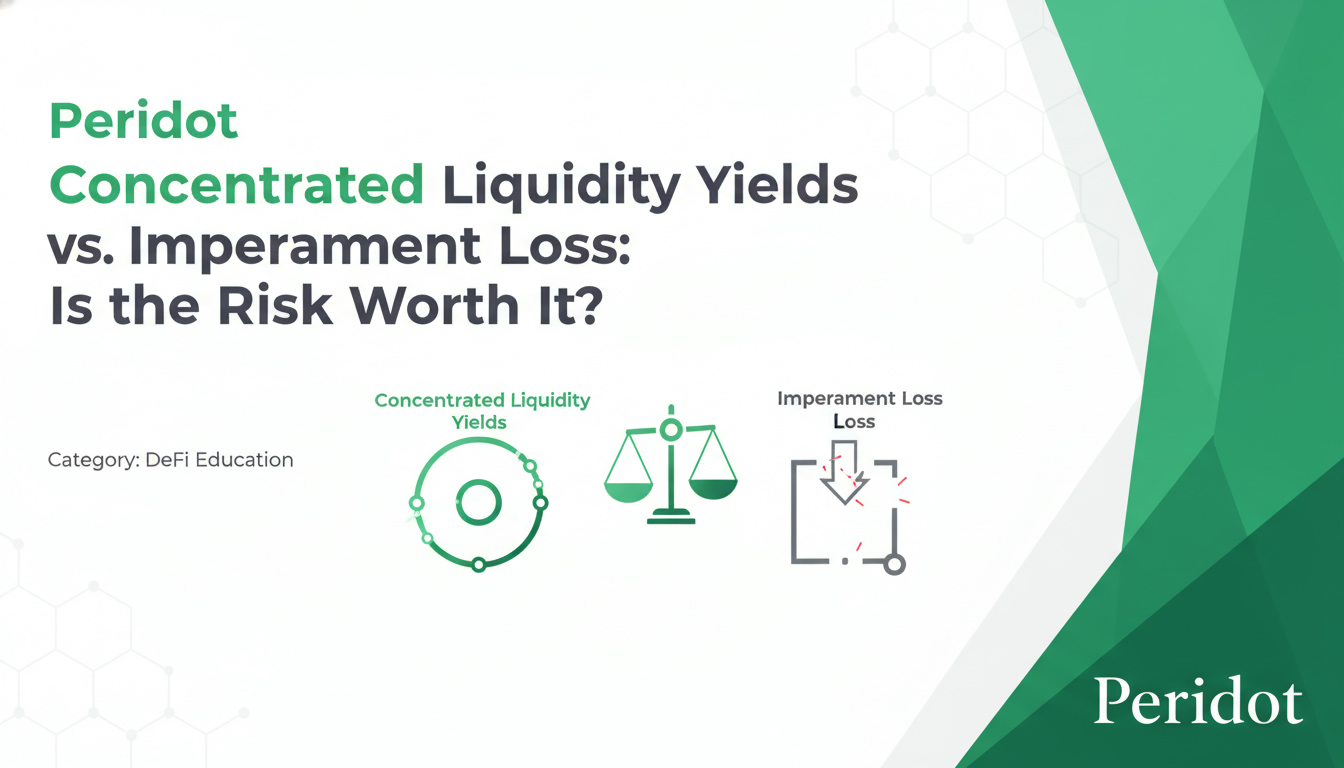
Concentrated Liquidity Yields vs. Impermanent Loss: Is the Risk Worth It?
Alexander Meyer
March 16, 2026
6 min read
🤖
Explore this content with AI
Ask questions about this article using your favorite AI assistant. We copy the prompt for you and open a new tab.
Alexander Meyer
Alexander Meyer is a DeFi expert with over 5 years of experience in blockchain technology and decentralized finance. He has written extensively about cryptocurrency and DeFi protocols.
Frequently Asked Questions
What is concentrated liquidity and how does it differ from traditional liquidity pools?
Concentrated liquidity allows liquidity providers to allocate their assets within specific price ranges where they expect most trading will occur, making capital use more efficient. In contrast, traditional liquidity pools spread liquidity evenly across all prices, which can lead to less efficient use of capital.
How do concentrated liquidity market makers generate higher yields?
By focusing liquidity within selected price ranges, concentrated liquidity market makers increase the amount of capital actively used in trades, which leads to higher fee earnings. This approach can produce better returns, especially when prices remain within the chosen range.
What is impermanent loss and why does it matter to liquidity providers?
Impermanent loss happens when the value of assets in a liquidity pool changes relative to simply holding them outside the pool, potentially reducing the LP’s overall returns. It matters because it can offset or even exceed the fees earned, impacting profitability.
Can impermanent loss be avoided or mitigated when providing liquidity?
While impermanent loss cannot be completely avoided, it can be mitigated by choosing appropriate price ranges, providing liquidity in less volatile pairs, or using strategies that account for market trends. Understanding market behavior and managing risk are key to minimizing its impact.
Is the risk of impermanent loss worth the higher yields from concentrated liquidity?
Whether the risk is worth it depends on individual risk tolerance and market conditions. Concentrated liquidity can offer attractive yields, but liquidity providers should weigh these against potential impermanent losses and use risk management strategies before committing capital.
How should intermediate DeFi users approach liquidity provision with CLMMs?
Intermediate users should educate themselves on how concentrated liquidity works, assess market volatility, and carefully select price ranges to optimize returns. It is important to balance the pursuit of higher yields with an understanding of the associated risks, including impermanent loss.
Share this article
Related Articles
DeFi Lending
March 16, 2026
Borrowing Against Liquid Staking Tokens: Balancing Capital Efficiency and Liquidation Risks
Explore how borrowing against Liquid Staking Tokens (LSTs) enhances capital efficiency while introducing liquidation spiral risks, and learn strategies to manage these risks in DeFi lending platforms.
Alexander Meyer
Read
DeFi Education
February 23, 2026
Understanding DeFi Lending: A Beginner’s Complete Guide
Discover the fundamentals of DeFi lending in this easy-to-follow guide for beginners. Learn how it works, the benefits, risks, and how to start lending and borrowing safely in decentralized finance.
Alexander Meyer
Read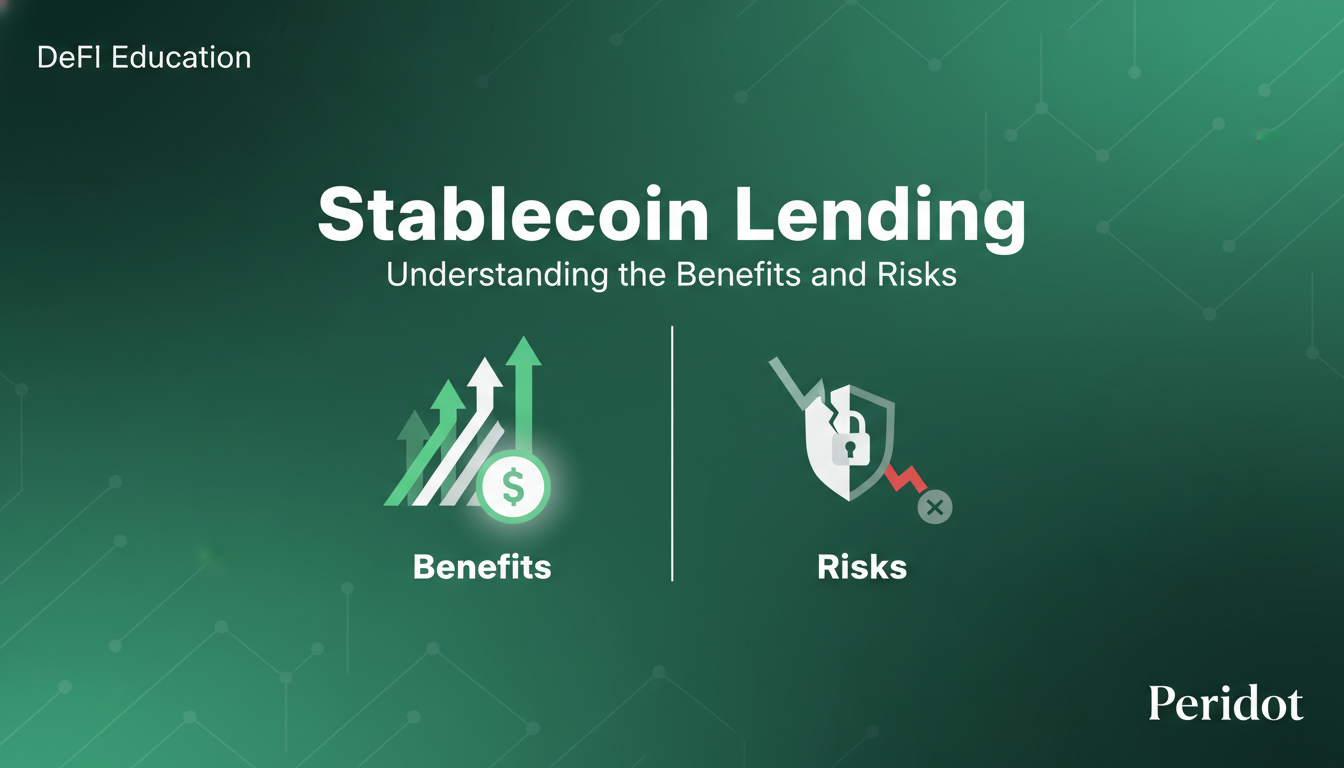
DeFi Education
November 16, 2025
Stablecoin Lending: Understanding the Benefits and Risks
Explore the fundamentals of stablecoin lending, including how it works, its yield opportunities, and the key risks involved. Learn to make informed decisions in DeFi with this clear, balanced overview.
Alexander Meyer
Read